Are Exposed Tree Roots Bad?
Understanding tree health is crucial for both aesthetic and ecological reasons. Exposed tree roots not only detract from the visual appeal of your landscape but also pose significant risks to the tree’s stability and health.
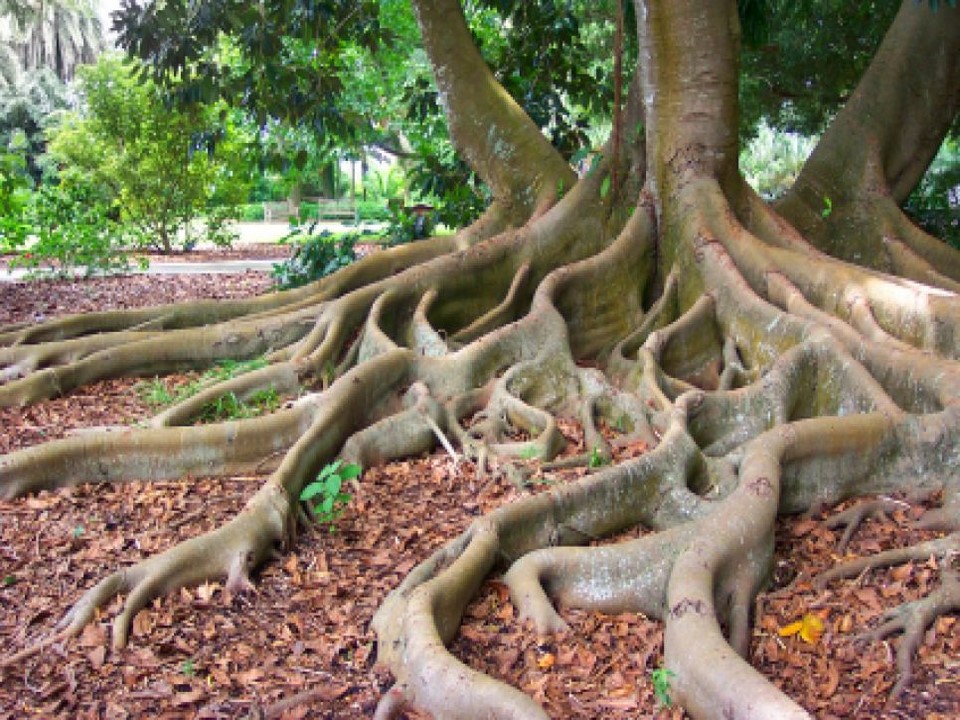
In this article, we will explore the implications of exposed roots, their causes, and effective strategies to manage them, ensuring both the vitality of your trees and the safety of your outdoor spaces.
Why Exposed Tree Roots Are a Concern
Exposed tree roots can lead to various complications, both for the tree itself and for the surrounding environment. Recognizing these issues is the first step in addressing them effectively. Here are some key reasons why exposed roots can be detrimental:
- Tree instability: Roots are essential for anchoring a tree in the ground. When they surface, the tree’s stability is jeopardized, increasing the risk of uprooting or falling, especially during storms or high winds.
- Increased damage risk: Exposed roots are vulnerable to physical damage from foot traffic, lawn equipment, and extreme weather conditions. Such damage can hinder their ability to absorb water and nutrients, leading to a decline in tree health.
- Higher susceptibility to pests and diseases: When roots are exposed, they become more accessible to pests and pathogens. This vulnerability can result in infestations that affect not just the roots but the entire tree.
- Maintenance challenges: Surface roots can obstruct regular lawn care tasks, making mowing and trimming more difficult and potentially dangerous for both equipment and people.
Causes of Surface Root Growth
Understanding the underlying reasons for exposed roots can help in developing effective solutions. Several factors contribute to roots growing above ground:
- Poor soil conditions: Soil that lacks nutrients or adequate aeration may compel roots to grow closer to the surface in search of necessary resources.
- Erosion: Natural erosion processes, exacerbated by heavy rainfall or inadequate drainage, can expose roots. This is particularly common on sloped terrains where water runoff is significant.
- Overcrowding: Trees planted too close together may struggle for space, leading some roots to surface as they compete for resources.
- Tree species characteristics: Some tree species naturally develop shallow root systems that are more prone to surfacing.
A professional arborist can assess these factors and provide tailored advice on addressing root exposure effectively.
Strategies for Managing Exposed Tree Roots
While exposed roots can create challenges, there are several practical strategies you can employ to manage them and enhance the health of your trees:
Apply Mulch
Covering exposed roots with mulch can provide several benefits. It helps retain soil moisture, regulates temperature, and safeguards roots from physical damage.
To apply mulch effectively:
- Clear away any grass and weeds around the roots without harming them.
- Spread a layer of mulch, maintaining a distance of 1-3 inches away from the trunk to prevent rot.
- Avoid creating a mound of mulch; aim for a flat, donut-like shape around the roots.
Implement Ground Cover
Replacing grass with low-maintenance ground cover can protect exposed roots and improve the aesthetic appeal of the area. This approach helps discourage foot traffic over the roots, minimizing damage.
When selecting ground cover plants:
- Choose species that are compatible with the tree and won’t compete aggressively for nutrients.
- Be careful during planting to avoid injuring the roots.
Seek Professional Arborist Help
While DIY solutions can be helpful, consulting a certified arborist is often the best course of action. They can evaluate your tree’s condition and provide expert recommendations tailored to your specific situation.
Some potential professional interventions include:
- Root barriers: These are installed underground to direct root growth further down, preventing them from surfacing in unwanted areas.
- Soil aeration: Improving soil conditions can encourage healthier root growth below the surface.
Benefits of Working with Certified Arborists
Engaging with certified arborists offers numerous advantages:
- Expert diagnosis: Arborists can identify the root cause of exposure and assess the overall health of your tree.
- Tailored solutions: They provide specific recommendations and solutions based on your tree species and local environmental conditions.
- Long-term health: By addressing the issue with professional help, you enhance the longevity and vitality of your trees.
Conclusion
Managing exposed tree roots is essential for preserving the health and stability of your trees. By understanding the causes and implementing effective strategies, you can ensure your trees remain strong and beautiful while minimizing risks to your property. Consult with certified arborists to gain the knowledge and assistance necessary for the long-term success of your landscaping efforts.