1. HOW MUCH DOES TREE REMOVAL COST ON AVERAGE IN THE US?
Residential tree removal typically ranges from $350 to $1,800, with a national average around $850 for a standard mature tree. Final quotes depend on overall height, trunk diameter, proximity to structures or utility lines, and whether specialized cranes or bucket trucks are required.
2. DOES HOMEOWNERS INSURANCE COVER FALLEN TREE REMOVAL?
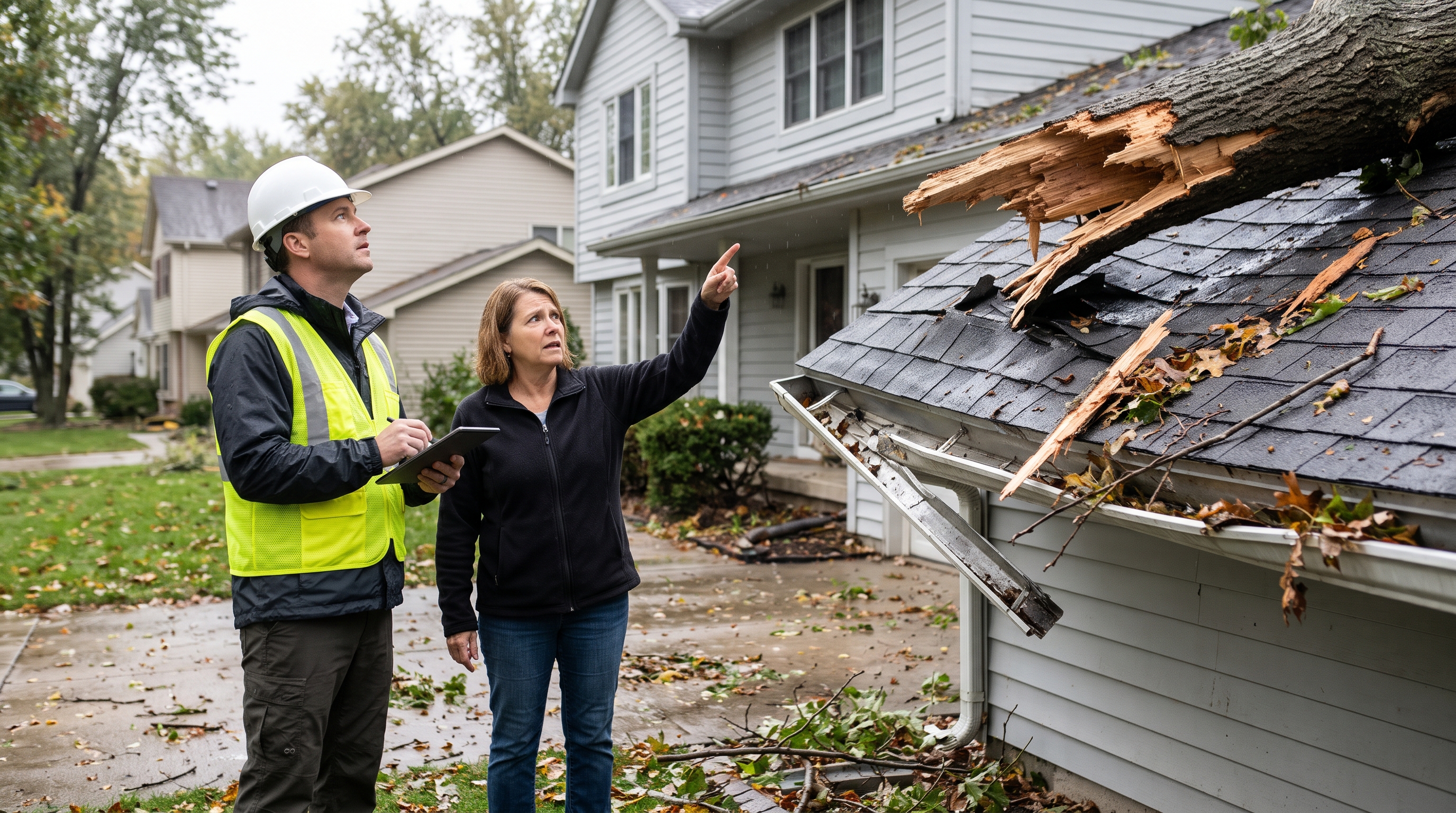
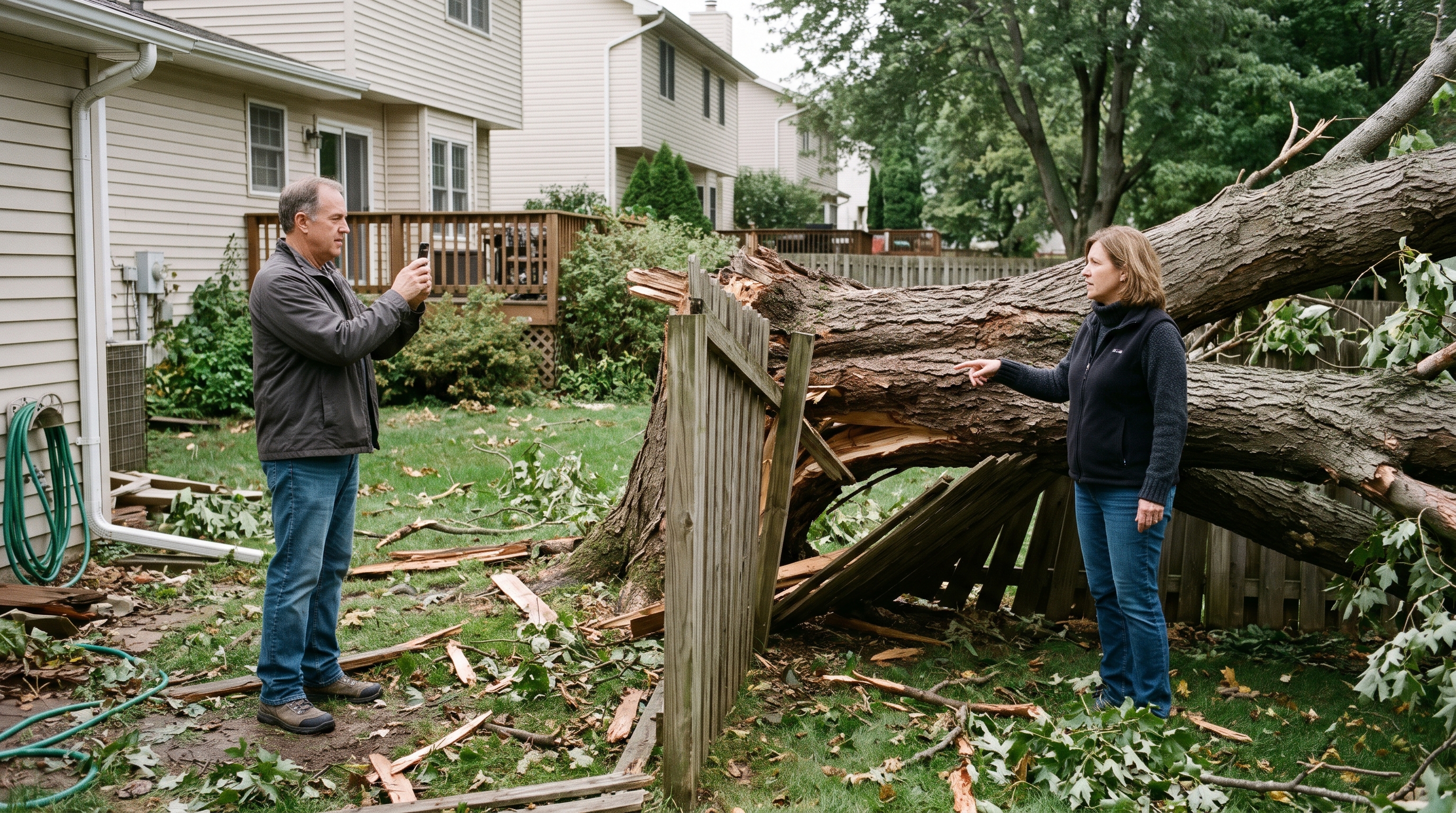
Homeowners insurance covers tree removal only if a fallen tree damages an insured structure (such as your home, garage, or permanent fence) or completely blocks your primary driveway. If a tree falls onto an open lawn without damaging property, removal is an out-of-pocket homeowner expense.
3. WHAT IS THE DIFFERENCE BETWEEN TREE TRIMMING AND TREE PRUNING?
Tree trimming focuses primarily on aesthetics, canopy shaping, and clearing overgrown foliage away from walkways or sidings. Tree pruning is an arboricultural health practice focused on removing diseased, dead, or structurally hazardous branches (deadwooding) to prevent future storm failure.
4. DO I NEED A CITY PERMIT TO REMOVE A TREE ON MY PROPERTY?
Permit requirements vary by municipality, tree trunk diameter, and whether the tree is a protected or heritage species (like mature oaks or redwoods). However, nearly all cities provide emergency hazard exemptions allowing immediate removal of trees posing imminent threats to life or buildings.
5. HOW CAN I VERIFY IF A TREE SERVICE CONTRACTOR IS PROPERLY INSURED?
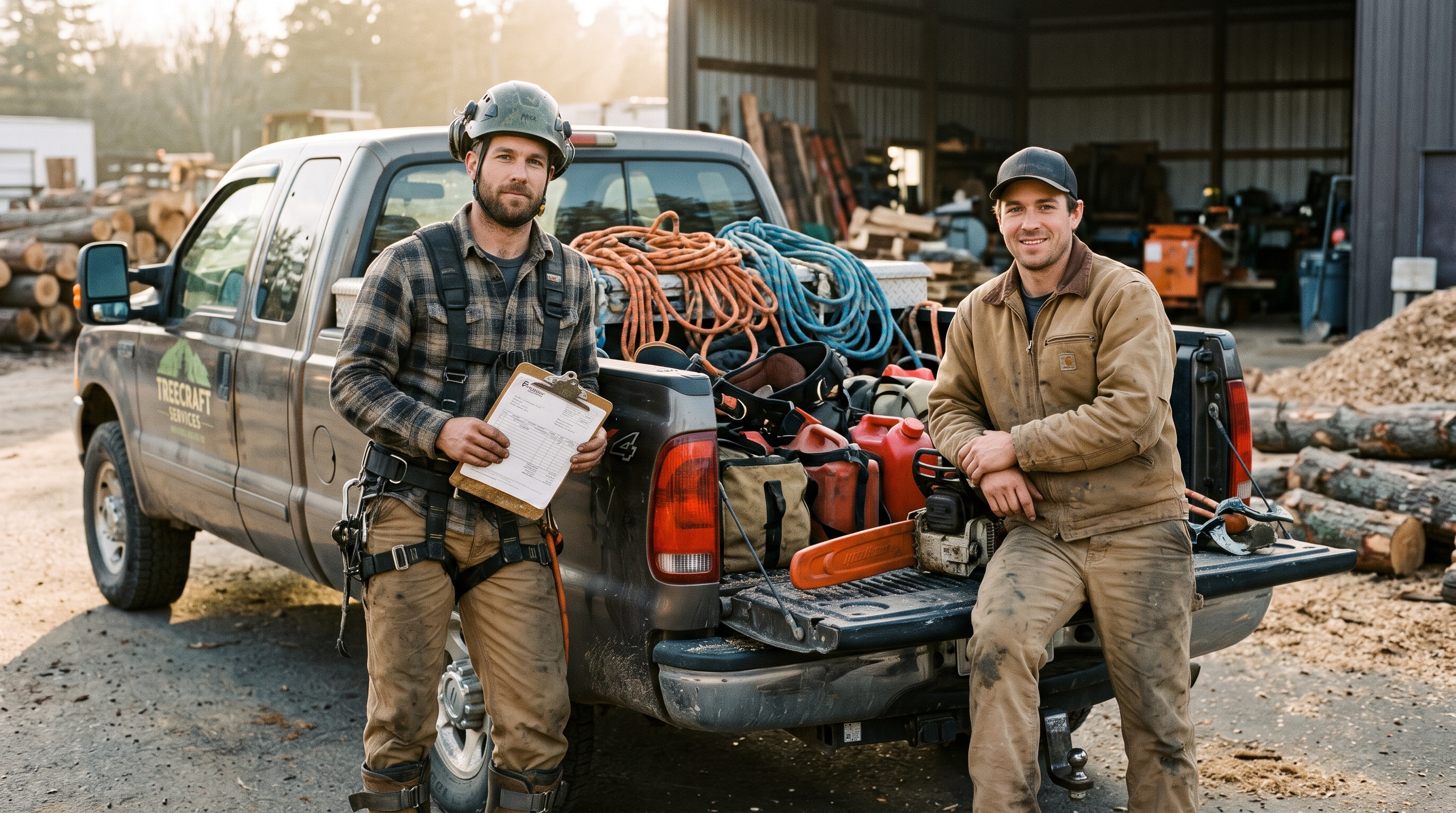
Always request a Certificate of Insurance (COI) sent directly from the contractor's insurance broker. Ensure they carry active Commercial General Liability ($1M+ coverage) and statutory Workers' Compensation under tree care classification code 0106, rather than cheap landscaping policies with height exclusions.
6. WHAT HAPPENS TO THE WOOD AND STUMP AFTER TREE REMOVAL?
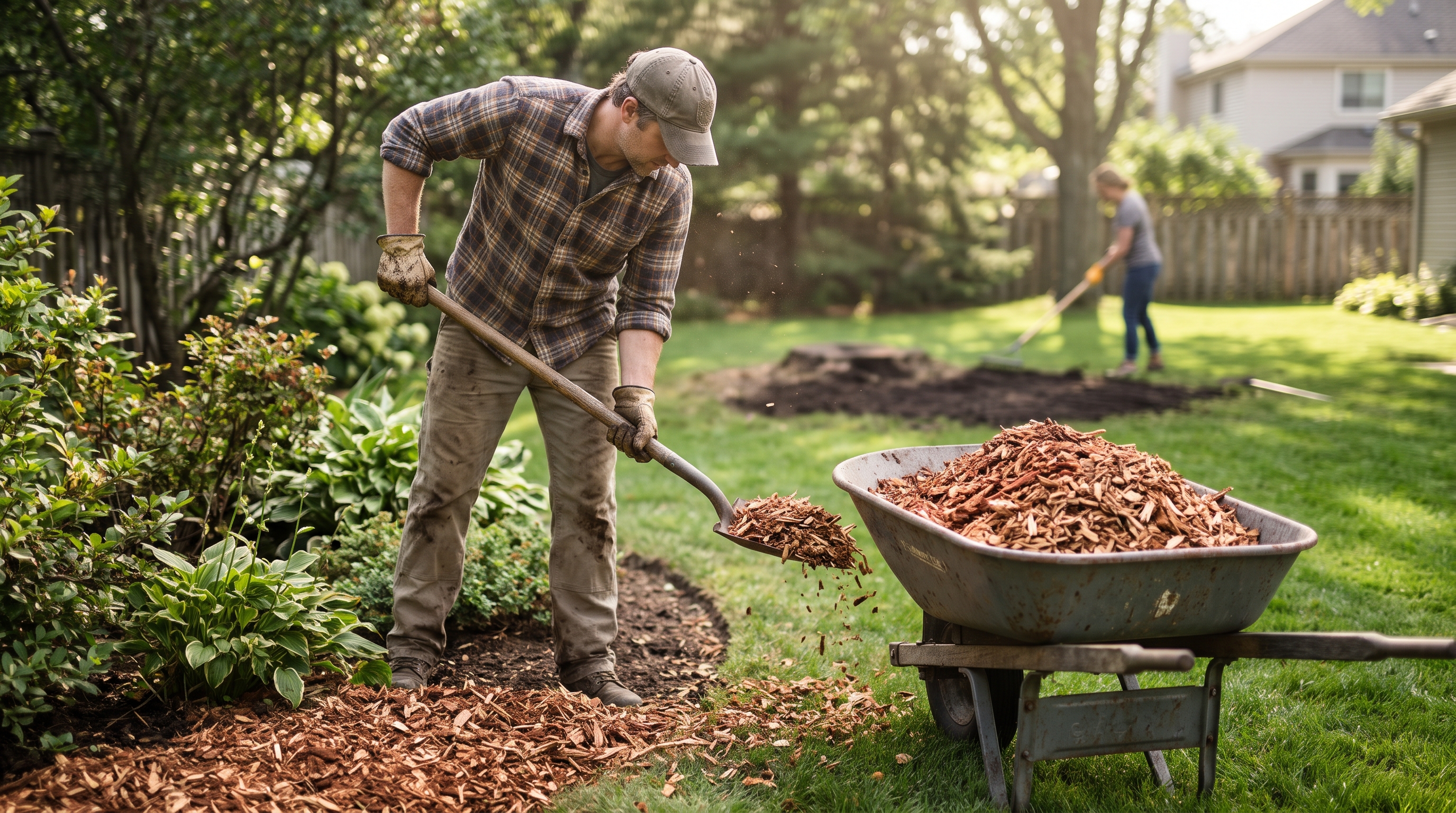
Branch wood is typically fed through a commercial chipper into mulch, while large trunk wood can be hauled away, split for firewood, or left on-site upon request. Stump grinding is usually priced as a separate line item to grind the underground root flare 4 to 8 inches below lawn grade.
7. HOW DO I KNOW IF A LEANING OR DAMAGED TREE NEEDS IMMEDIATE REMOVAL?
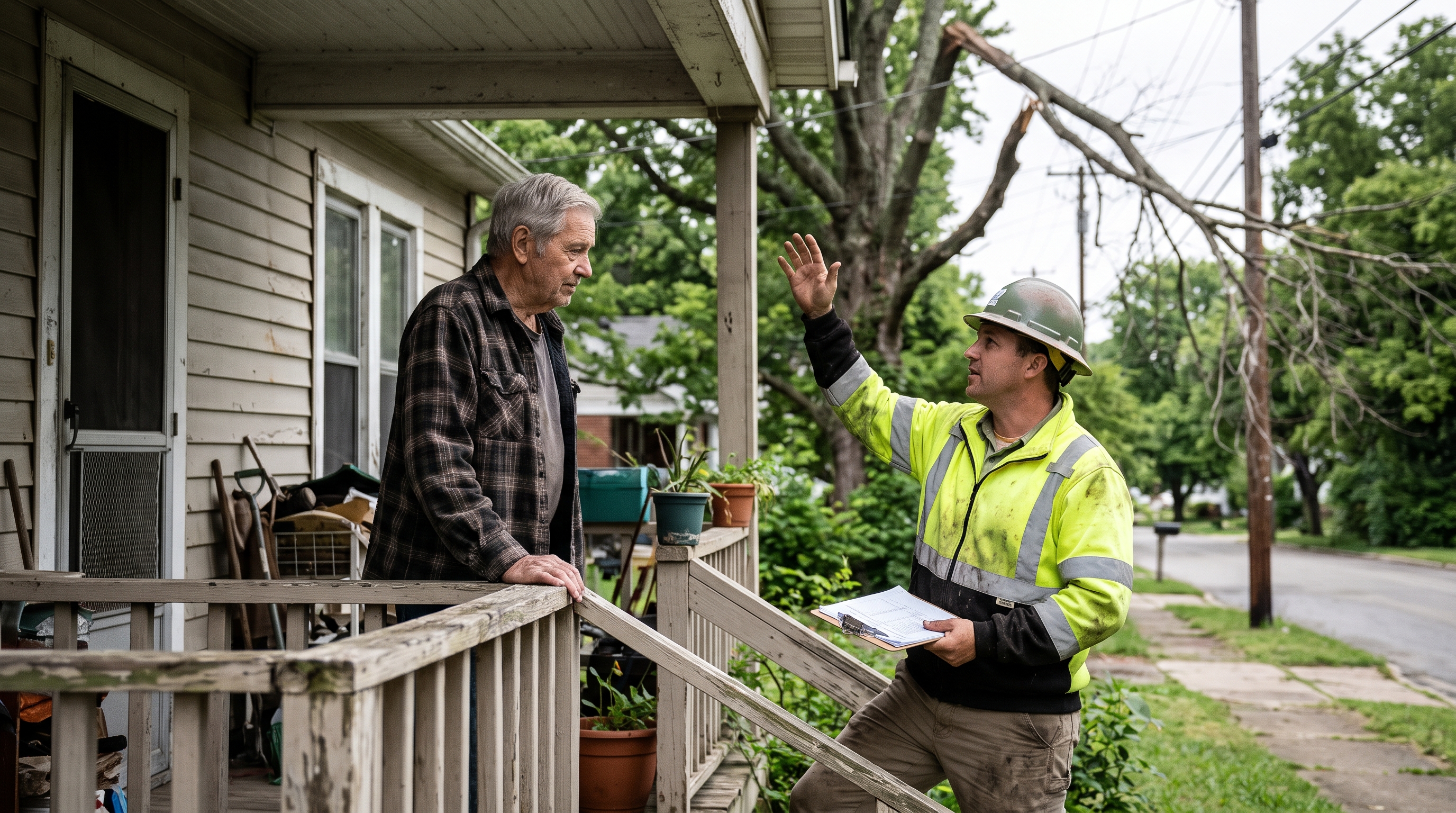
Warning signs of imminent tree failure include a sudden lean accompanied by soil heaving at the root plate, large hollow trunk cavities, fungal bracket conks growing near the root flare, deep vertical bark cracks, and heavy dead limbs overhanging living areas or utility service lines.
8. HOW DO I LIST OR CLAIM MY TREE SERVICE COMPANY ON TREEREMOVALNEAR?
Tree care contractors, certified arborists, and emergency crane operators can list their company for free by clicking + ADD YOUR BUSINESS in the top navigation or claiming their profile to update service radii, equipment details, and receive direct local homeowner quote requests.












 Homeowner Guide