Varieties, Diseases and Landscaping Tips
If you’re in search of a visually appealing tree that can elevate your yard’s aesthetic appeal throughout the year, look no further than the Hawthorn tree. These stunning trees not only enhance your landscape with their impressive foliage and flowers but also provide vital ecological benefits, attracting a range of pollinators and wildlife.
Understanding Hawthorn Trees
The Hawthorn trees, belonging to the genus Crataegus, are a diverse group of trees native to temperate regions across the United States. Typically, these trees reach a height of 25 to 30 feet and are characterized by their thorny branches, with thorns that can vary from 1 to 3 inches in length. The unique appearance of Hawthorns makes them a favorite among landscape designers and homeowners alike.

One of the most remarkable features of Hawthorn trees is their ability to thrive in different climate conditions, making them adaptable to various landscapes. They not only provide aesthetic value but also play a crucial role in promoting biodiversity by attracting pollinators such as bees and butterflies, thus contributing to a sustainable ecosystem.
Identifying Common Diseases in Hawthorn Trees
Like any other plant, Hawthorn trees are susceptible to several diseases, which can affect their health and longevity. Familiarizing yourself with these common afflictions helps you to identify and treat them effectively.
- Fire Blight – A bacterial disease that can devastate Hawthorn trees if not managed properly. Symptoms include wilting blossoms and darkened shoots. To combat fire blight, promptly remove infected branches using sanitized tools and consider planting more resistant varieties.
- Rust Diseases – Caused by fungal pathogens, rust manifests as orange spots on leaves, which may develop galls on twigs. Effective management often requires contacting an arborist for appropriate fungicide treatments.
Among the hundreds of Hawthorn varieties, two of the most popular are the Green Hawthorn and the Washington Hawthorn, each with its unique characteristics and growing requirements.
Popular Varieties of Hawthorn Trees
Understanding the different Hawthorn varieties can help you choose the right one for your landscape. Below are some key features of the most common species:
- Green Hawthorn – This variety thrives in lowland regions of the Southeastern U.S. and prefers medium to wet soil. Green Hawthorn trees flourish in partially shaded areas and display vibrant yellow-to-green leaves in spring, transforming into scarlet shades in the fall. Their spring blossoms are notable for their showy white flowers and thorny branches.
- Washington Hawthorn – Adapted to colder climates, this variety prefers full sun. Washington Hawthorns exhibit green summer foliage that changes to brilliant orange, scarlet, and purple hues in autumn. Their white spring blooms are complemented by red berries, which serve as a food source for local wildlife.
Planting and Cultivating Hawthorn Trees
When considering planting a Hawthorn, it’s essential to select the right location and care for the tree properly. Here are some tips for growing Hawthorn trees successfully:
- Location: Choose a spot that receives full sun for optimal growth, especially for varieties like the Washington Hawthorn.
- Soil Type: Ensure well-draining soil. While some varieties tolerate clay, others prefer loamy conditions.
- Watering: Water regularly, particularly during dry spells, but avoid overwatering to prevent root rot.
- Fertilization: Apply a balanced fertilizer in early spring to encourage healthy growth.
Hawthorn Trees in Mid-Atlantic Landscapes
Hawthorn trees are well-suited for Mid-Atlantic landscapes, offering a wonderful alternative to commonly planted trees like Callery Pears. Their beauty, combined with their hardiness, makes them ideal for residential and commercial settings.
To create a visually appealing garden, consider pairing Hawthorns with other native plants:
- Crabapples
- Redbuds
- Serviceberry trees
Additionally, incorporating understory species like Sweetbay Magnolias, Flowering Dogwoods, and River Birches can enhance the biodiversity and aesthetic of your landscape.
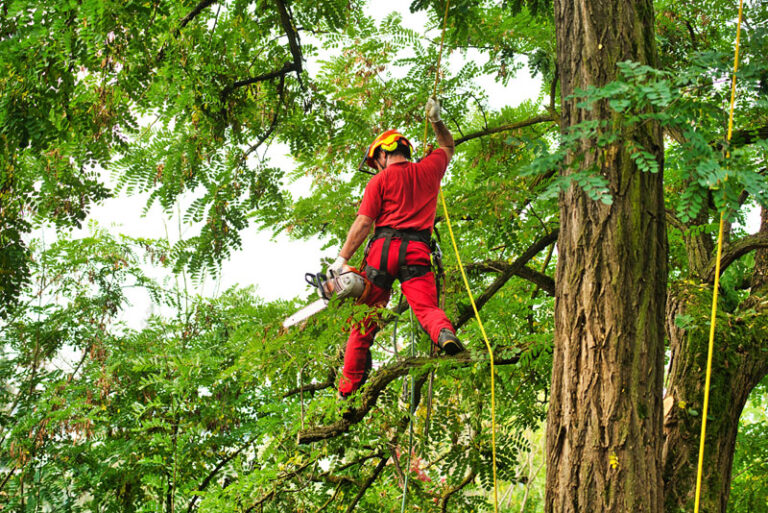
Pruning Hawthorn Trees
Proper pruning is vital for maintaining the health and shape of your Hawthorn tree. Here are some key points about pruning:
- Timing: The best time to prune a Hawthorn tree is during late winter or early spring, before new growth begins.
- Technique: Use sharp, sanitized tools to make clean cuts, which helps prevent infection.
- Focus Areas: Remove any dead, damaged, or diseased branches and thin out crowded areas to improve airflow and sunlight penetration.
Growing Hawthorn Trees from Seed and Cuttings
For those interested in propagation, Hawthorn trees can be grown from seeds or cuttings. Here’s a brief overview of both methods:
Growing from Seed
1. Collect seeds from ripe Hawthorn berries in the fall.
2. Clean and stratify the seeds by placing them in a moist medium and refrigerating them for several weeks.
3. Plant the seeds in spring in well-draining soil and keep them moist until germination.
Growing from Cuttings
1. Take cuttings in late spring or early summer from healthy branches.
2. Dip the cut end in rooting hormone to promote root development.
3. Plant the cuttings in a pot filled with a well-draining medium, keeping them in a warm, humid environment until they establish roots.
What to Consider Before Planting a Hawthorn Tree
Before committing to a Hawthorn tree, consider the following factors:
- Space: Ensure you have adequate space for the tree to grow to its full size.
- Climate: Assess whether your local climate is suitable for the chosen variety.
- Maintenance: Be prepared to provide regular care, including watering, pruning, and pest management.
Seasonal Changes in Hawthorn Trees
Hawthorn trees exhibit distinct seasonal changes that enhance their appeal:
- Spring: Vibrant blossoms attract pollinators, while fresh foliage emerges.
- Summer: Lush green leaves provide shade and habitat for wildlife.
- Autumn: Leaves turn brilliant shades of orange and red, accompanied by clusters of berries.
- Winter: The skeletal structure of the tree becomes more pronounced, revealing its unique form.