
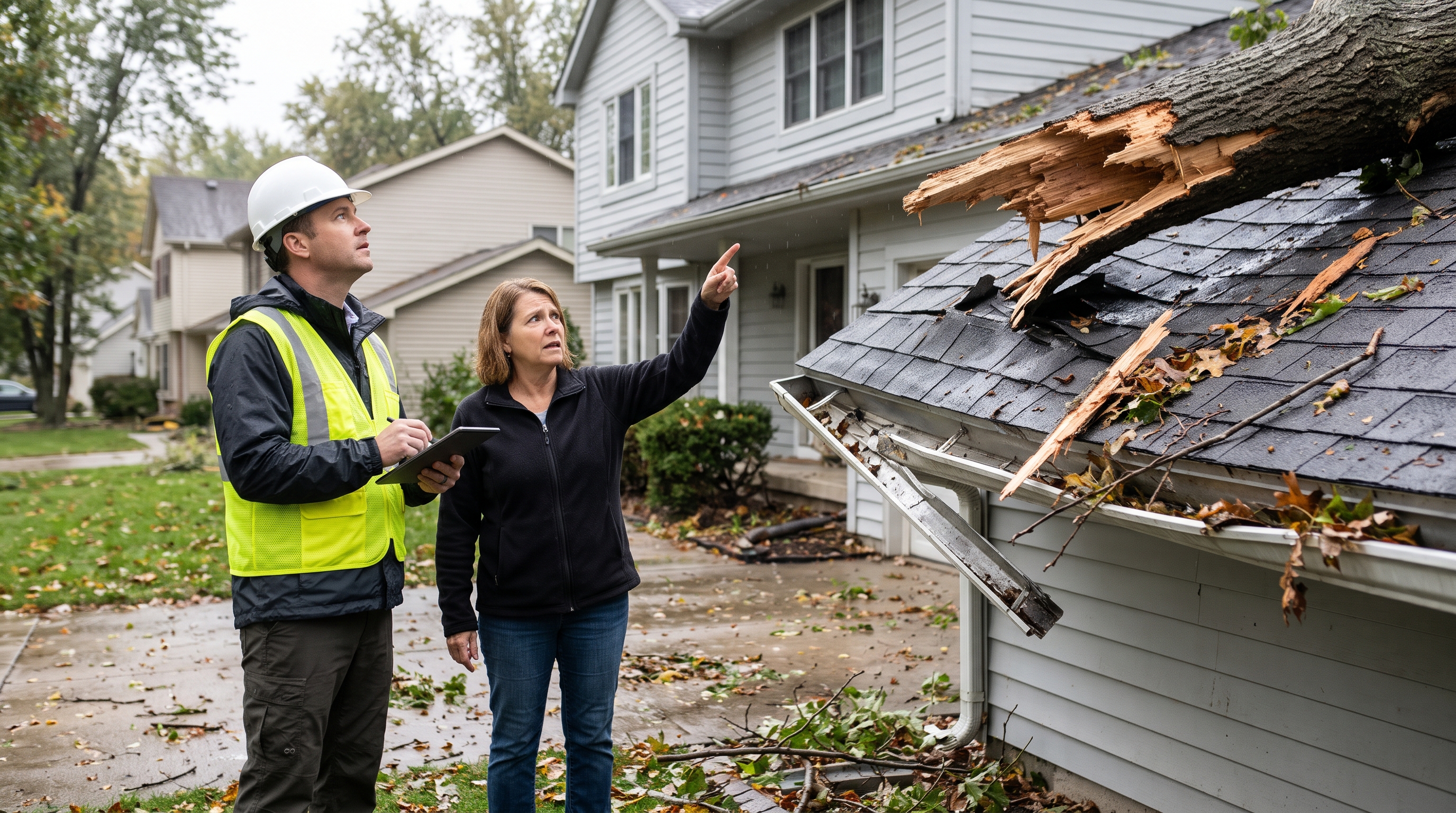
Few sounds cause a homeowner's stomach to drop faster than the loud crack of timber giving way during a midnight thunderstorm, followed by a heavy impact against the roof. Once everyone is accounted for and safe, the financial reality sets in. Taking down an eighty-foot hardwood resting across a roofline requires emergency crane equipment, certified climbing crews, and structural tarping, easily racking up thousands of dollars in a single morning.
When the storm clears, homeowners reach for their insurance paperwork expecting full coverage.
The relationship between homeowners insurance and tree work is notoriously nuanced. Standard policies cover tree removal under specific, strict circumstances, while completely excluding others. Discovering those boundaries after an invoice is signed can leave you with an unexpected out-of-pocket balance.
Here is an honest breakdown of what insurance covers, what it refuses to pay for, and how the math on deductibles actually works.
When homeowners insurance covers tree removal
Standard homeowners policies (such as an HO-3 policy) do not insure trees as landscape features. Instead, they insure the structures on your land. Coverage for cutting and hauling away a downed tree kicks in only when that tree compromises an insured asset.
1. The tree strikes a covered structure
If a healthy tree topples during a covered peril such as wind, lightning, hail, or the weight of heavy ice, insurance steps in if the trunk or branches impact an insured building on your property.
This includes your primary home, an attached garage, and separate exterior buildings covered under the other structures section of your policy, such as detached garages, storage sheds, gazebos, and permanent perimeter fences.
In this scenario, insurance covers two distinct costs: the structural repairs to your building, and the cost of cutting up and hauling away the fallen timber so contractors can access the roof.
2. The tree blocks primary access to your home
Even if a falling trunk misses your house entirely, insurance typically covers removal if the tree blocks your primary driveway.
Under standard policy language, if a fallen tree prevents you from driving your personal vehicle out of your garage or driveway onto a public road, the insurer will pay for a crew to cut and clear the driveway access.
The same rule applies to accessibility features. If a fallen branch crushes or blocks an exterior ramp built for wheelchair access, insurers cover immediate removal to restore safe entry to the home.
When insurance pays nothing for tree removal
Understanding what insurance will not cover is just as important as knowing what it covers. Hundreds of homeowners file claims every week that are promptly denied because they misunderstand the fundamental purpose of property insurance.
1. The tree lands harmlessly across your lawn
If a seventy-foot pine snaps at the base during a violent gale, crashes across your backyard, crushes your flower beds, and gouges deep trenches in your lawn without touching a building, insurance pays zero dollars.
Because no insured building was hit and your driveway remains open, insurers consider the fallen trunk a matter of landscape maintenance. The financial burden of hiring a chainsaw crew, chipping the brush, and grinding the stump rests entirely on your shoulders.
2. Preventative removal of leaning or dangerous trees
A very common question among homeowners living paycheck to paycheck is whether insurance will pay to cut down a large, leaning tree before it falls on the house.
The answer is an unequivocal no. Insurance is designed to cover sudden, accidental losses, not preventative home maintenance.
No standard homeowners insurance policy will contribute a single dollar toward removing a living or leaning tree simply because it hangs over your roof. Just as an insurer will not buy you a new roof because your shingles are twenty years old, they will not pay to remove a tree to prevent future damage.
In fact, calling your insurance company to ask about a dangerous standing tree can backfire. If an insurer sends an inspector who notes that a massive dead oak threatens your home, the underwriting department may issue a binding repair notice requiring you to remove the tree at your own expense within thirty days, threatening policy cancellation if you fail to comply.
3. Dead, diseased, or neglected trees
If a tree on your property has been visibly dead for three years, covered in bracket fungus, and dropping dry branches every autumn, you have a legal obligation to cut it down.
When that dead tree finally topples during a moderate breeze and punctures your attic, the insurance adjuster will inspect the fracture point. If they find extensive dry rot, hollowed heartwood, and insect tunnels that clearly predate the storm, the insurance company can deny your entire structural claim under the wear and tear or neglect exclusion.
Insurers expect property owners to maintain their land. Claiming that a long-dead tree was an act of God rarely holds up when an adjuster sees seasoned bark slivers and hollow trunks.
How much does insurance actually pay for tree removal?
Even when a claim is approved because a tree crushed your garage, the payout for the tree removal portion of the bill is heavily capped.
Most homeowners policies enforce a specific sub-limit for debris removal. Across standard industry policies, this sub-limit is almost universally capped at $500 to $1,000 per tree, with a maximum cap of $1,000 per storm occurrence.
Example Scenario:
Total Emergency Crane & Removal Bill: $2,800
Insurance Policy Debris Removal Limit: $1,000
Homeowner Out-of-Pocket Balance for Tree Work: $1,800
While the insurance company will cover the full cost of replacing your damaged garage framing and roofing shingles (subject to your deductible), they will only release up to their stated limit for the tree service invoice.
If an emergency crane service charges $2,500 to carefully rig heavy trunk sections off your rafters, you will receive $500 or $1,000 toward that equipment bill and must absorb the remaining $1,500 on your own.
What about trees that crush vehicles?
If a windstorm snaps a heavy limb and crushes the hood or windshield of a car parked in your driveway, your homeowners insurance policy will not pay for the vehicle repairs or for lifting the branch off the car.
Vehicle damage caused by fallen trees or flying storm debris is handled exclusively through your personal auto insurance policy, under your comprehensive coverage.
If you carry comprehensive auto coverage, your car insurer will pay to remove the limb, repair the bodywork, or declare the car a total loss, minus your comprehensive deductible. If you only carry basic liability auto insurance, the entire cost of the vehicle damage falls on you.
Doing the deductible math before filing a claim
Filing an insurance claim is not always in your best financial interest, especially for minor tree damage.
Most homeowners policies carry a standard deductible between $1,000 and $2,500. In coastal or storm-prone areas, policies often enforce separate hurricane or windstorm deductibles calculated as a percentage of your home's total insured value, often totaling $5,000 to $10,000.
Consider a practical example:
A storm knocks down a branch that tears off a section of your gutter and crushes two fence panels. A local contractor quotes $800 to fix the gutter and fence, and a tree service charges $600 to clear the limb, totaling $1,400 in damage.
If your policy deductible is $1,500, filing a claim achieves nothing. You will receive zero dollars from your insurer, while placing an active claim on your comprehensive loss underwriting exchange history, which can cause your annual premiums to increase at renewal.
As a general rule of thumb, only file a tree claim if the total structural damage substantially exceeds your deductible.
For detailed steps on taking emergency photos, securing damaged roofs with tarps, and dealing with crane crews right after a disaster, consult our comprehensive emergency tree removal guide.
Finding verified, insured tree contractors in an emergency
When a tree is resting against your siding or roof, speed matters, but hiring unverified labor out of desperation can lead to secondary damage. Uninsured operators who lack proper rigging gear can drop severed trunks straight through your ceiling, creating liabilities your insurer may refuse to honor.
Always ensure any tree contractor working on storm-damaged timber carries active commercial general liability and workers' compensation coverage.
You can locate vetted, licensed tree removal specialists and 24/7 emergency crane crews in your immediate area through the TreeRemovalNear.com directory.
Need a Verified Tree Removal Pro in Your City?
Avoid contract delays and unexpected pricing. Search our nationwide directory of licensed, highly-rated tree cutting and stump specialists with verified customer reviews.
Find Contractors Near You →