
Tree Removal Business in Terry
Discover reliable Tree Removal solutions across Terry to help you maintain a safe and attractive property. Whether you’re dealing with a hazardous tree, storm damage, or simply need to clear space for a new project, our directory connects you with experienced professionals in your area.
Compare services, pricing, and customer reviews to find the right fit-whether it’s for residential or commercial needs. From routine removals to emergency response, stump grinding, and lot clearing, get fast access to experts who prioritize safety, efficiency, and environmental responsibility.
Available Tree Removal in Terry

Centex Tree Solutions | Tree Service

Good Hands Tree Service
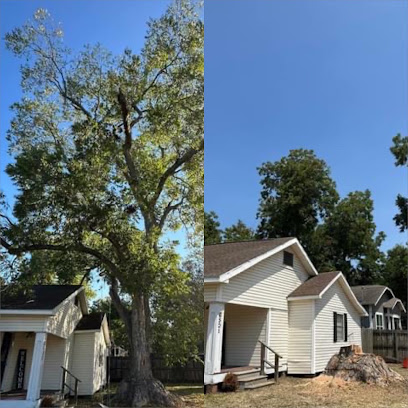

Texas Pride Tree Service
Suggest the changes. Our team will evaluate and implement updates as quickly as possible.
Adding a business to this directory is free. It will always be free.
How to Hire a Tree Removal Contractor
Finding the right tree removal expert is easier than you think—just follow these three simple steps to ensure a safe, efficient, and professional experience with any contractor listed in this directory.
1. Request a Free Estimate
Begin by reaching out to a tree removal contractor from this directory to request a free quote. A reputable provider will typically offer an on-site inspection to assess the tree’s condition, location, and potential risks before providing a detailed estimate.
2. Schedule the Removal
Once you’ve reviewed the estimate and agreed on the scope of work, schedule the removal at a convenient time. Professional contractors will coordinate with you on timing, permits (if required), and any prep work needed to ensure the job goes smoothly.
3. Confirm Cleanup and Completion
After the tree is removed, inspect the site to ensure all debris is cleared and any additional services—like stump grinding—have been completed as agreed. A trustworthy tree removal company will leave your property clean, safe, and ready for whatever comes next.
Other Counties in Texas
FAQs
Do I need to remove the stump too?
Stump removal is optional but recommended. Leftover stumps can attract pests, pose tripping hazards, and hinder replanting. Many tree removal companies offer stump grinding or full removal as an additional service.
What’s the difference between tree trimming and removal?
Tree trimming involves cutting back branches to improve health, safety, or appearance. Removal is the complete takedown of the tree. Trimming is often preventative, while removal is final.
How much does tree removal cost?
Costs vary based on size, condition, and location of the tree. Small trees may cost $200–$500, while large or complex removals can exceed $1,500. Always request a detailed estimate before work begins.
Will my property be damaged during tree removal?
Experienced contractors take precautions to avoid damage. They use ropes, cranes, and ground protection mats. However, it’s important to discuss potential risks and get everything in writing before the job starts.
How should I prepare for a tree removal service?
Clear the area around the tree of vehicles, furniture, or other obstacles. Notify neighbors if needed. The crew may also need access to driveways or power outlets, so discuss access ahead of time.
When is tree removal necessary?
Tree removal is necessary when a tree poses safety hazards, is dead or dying, suffers from severe disease, causes structural damage, or obstructs construction. A certified arborist can help determine if removal is the best option.